Hemp Seed Oil Is Not CBD Oil: The FDA Food Distinction
Hemp seeds, seed protein and seed oil have a different FDA food record from CBD extracts. Learn what the three GRAS notices cover—and what they do not.
Rules checked: November 11, 2026. Laws and agency guidance can change. This is general information, not legal or medical advice.
A bottle of hemp seed oil in a grocery aisle and a bottle of CBD oil may share a plant name, but they are not interchangeable ingredients. That distinction also matters in US food regulation. FDA has responded without questions to specific safety conclusions for three hemp-seed ingredients. It has not extended those responses to CBD extracts or every product marketed as “hemp.”
This guide checks the FDA record as of November 11, 2026. The underlying seed-ingredient decisions date to 2018; they are not a newly announced authorization. Their continuing relevance is practical: knowing which ingredient is actually in a product prevents a familiar regulatory claim from being stretched beyond its scope.
Start with the part of the plant
FDA explains that hemp seeds do not naturally contain THC or CBD. Trace amounts can nevertheless appear when seeds contact other parts of the plant during harvesting or processing. The agency distinguishes that incidental presence from adding CBD or THC to food.
Hulled seeds are a food ingredient. Seed protein and seed oil are also made from seeds. A cannabinoid extract is a different material, even when its label uses the same word “hemp.” The words “hemp oil” alone therefore leave an important question unanswered: seed oil, cannabinoid extract, or a mixture?
A CBD formulation may use hemp seed oil as its carrier. That does not turn the added CBD into an ordinary seed ingredient. Conversely, a culinary seed oil should not be assumed to deliver CBD simply because it comes from hemp. Neither the plant imagery nor the bottle format settles the composition.
What the three FDA notices actually cover
On December 20, 2018, FDA announced responses to three Generally Recognized as Safe, or GRAS, notices submitted by Fresh Hemp Foods:
- GRN 765: hulled hemp seed, described as dehulled hemp seed in the response letter.
- GRN 771: hemp seed protein powder.
- GRN 778: hemp seed oil.
FDA’s current cannabis FAQ says these ingredients may be marketed in human food for the uses described in the notices, provided all other requirements are met. That is a defined ingredient-and-use framework, not a permission based on the word “hemp.”
Other manufacturers may rely on the conclusions only when their ingredients are manufactured consistently with the notices and meet the listed specifications. The ingredients must also be declared in the ingredient list. For a food business, the useful question is therefore not merely whether a supplier mentions GRAS: it is whether the actual ingredient, production process, specifications and intended use fit the relevant notice.
“No questions” does not mean blanket FDA approval
A GRAS response letter records FDA’s position on the notifier’s safety conclusion for the stated conditions of use. The original seed notice response explicitly says it is not an affirmation of GRAS under the separate regulatory procedure in 21 CFR 170.35. It also leaves responsibility for safety and compliance with manufacturers and producers.
That is why “FDA approved hemp” is an unreliable shorthand. It can erase both the narrow scope of the ingredient review and the other requirements a finished food must meet. A notice about seed oil is not an approval of an entire brand, its marketing claims or a different extract.
The record also contains a February 10, 2020 supplemental response covering the three notices. It corrected an aflatoxin specification; FDA said the correction did not change the GRAS conclusion. That later letter is a reminder to consult the full record, rather than treating a screenshot of a 2018 announcement as a complete compliance file.
Our separate guide to FDA approval language on CBD labels explains why ingredient records, establishment claims and drug approvals should not be conflated.
Adding CBD changes the food question
FDA’s current FAQ states that it considers introducing or delivering into interstate commerce food to which CBD or THC has been added prohibited under section 301(ll) of the Federal Food, Drug, and Cosmetic Act. The agency says its continuing review has not changed that conclusion. It separately considers CBD and THC products excluded from the dietary-supplement definition under the applicable statutory provisions.
The FAQ distinguishes certain ingredients from plant parts that do not contain CBD or THC, pointing to the three seed ingredients as examples. Those ingredients still have to comply with applicable food laws. Their treatment does not create a route for adding cannabinoid extract to a snack, drink or cooking oil and then relying on the seed ingredient’s notice.
Nor does the removal of qualifying hemp from federal controlled-substance treatment remove FDA’s authority over food. The federal-versus-state overview addresses those separate legal layers. A state retail permit or a farming license answers another question; it is not a substitute for the food analysis.
A short checklist for a confusing label
First, read the ingredient list rather than the front-panel artwork. Look for a specific seed ingredient and for separately identified CBD or hemp extract. A seed oil used as a carrier does not describe everything dissolved in it.
Second, separate the amount of oil from the amount of cannabinoid. A large number referring to milligrams of “hemp oil” is not automatically a CBD measurement. Where cannabinoid content is claimed, the relevant batch documentation should match the actual product. A certificate of analysis can help assess reported measurements, but cannot itself confer regulatory permission.
Third, ask what any GRAS reference refers to. A useful answer identifies the notice number, ingredient and intended use. A vague statement that “hemp is GRAS” does not do that work.
Finally, keep human food and animal food separate. FDA says the three seed notices concern human food; its FAQ states that it has not received GRAS notices for hemp-derived ingredients in animal food. A record for a human-food ingredient should not be presented as clearance for pet treats.
The practical takeaway
Hemp seed ingredients have a specific FDA food record. CBD extracts have a different regulatory position. A shared plant source, a seed-oil carrier or a low-THC marketing claim does not merge those categories.
This is general editorial information, not advice on a particular product or transaction. Manufacturers and retailers need to check the current federal, state and local rules relevant to their actual ingredients and uses. Our editorial standards explain how we distinguish official records from broader commercial claims.
Sources
Official sources checked November 11, 2026:
- FDA: Responses to three GRAS notices for hemp seed-derived ingredients, December 20, 2018; ingredient mapping, specifications and intended uses.
- FDA: Cannabis and cannabis-derived products FAQ, particularly questions 2, 9, 10 and 12; current page checked on the verification date.
- FDA: GRAS Notice Inventory, entries 765, 771 and 778.
- FDA: Original response letter for GRN 765, December 20, 2018; scope and limitations of the response.
- FDA: Supplemental response for GRNs 765, 771 and 778, February 10, 2020; specification correction and unchanged GRAS conclusion.
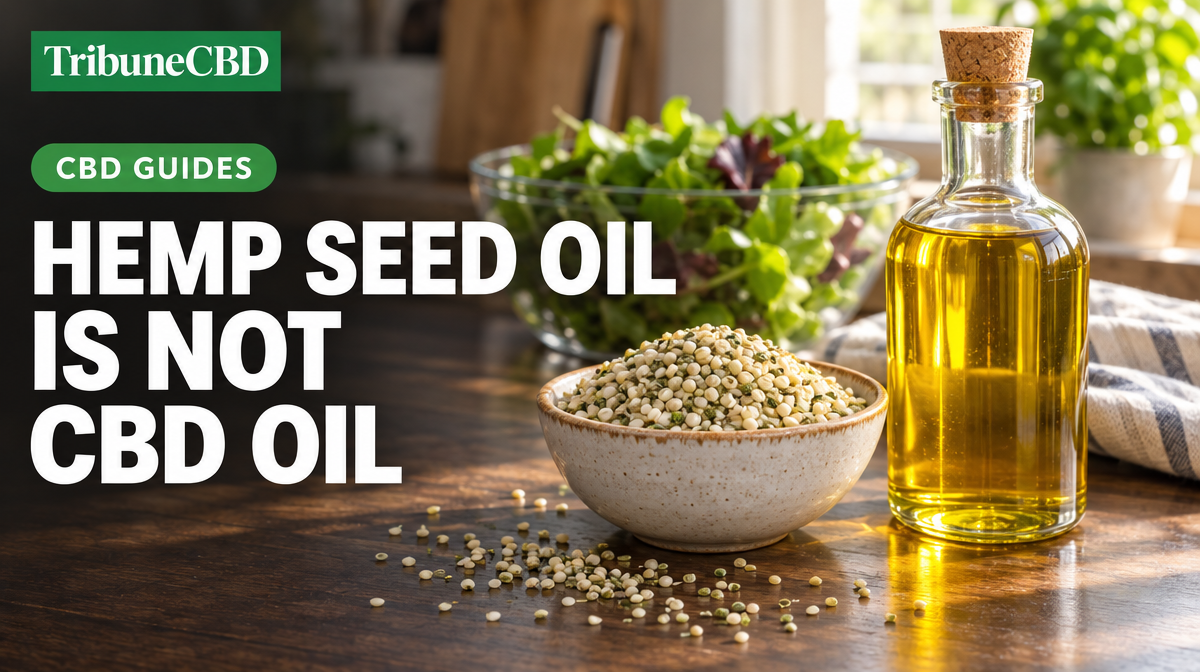
The illustration is editorial, not evidence of a particular product, farm or event. Source dates, product type and jurisdiction matter. Check the relevant authority before making a legal or health decision.